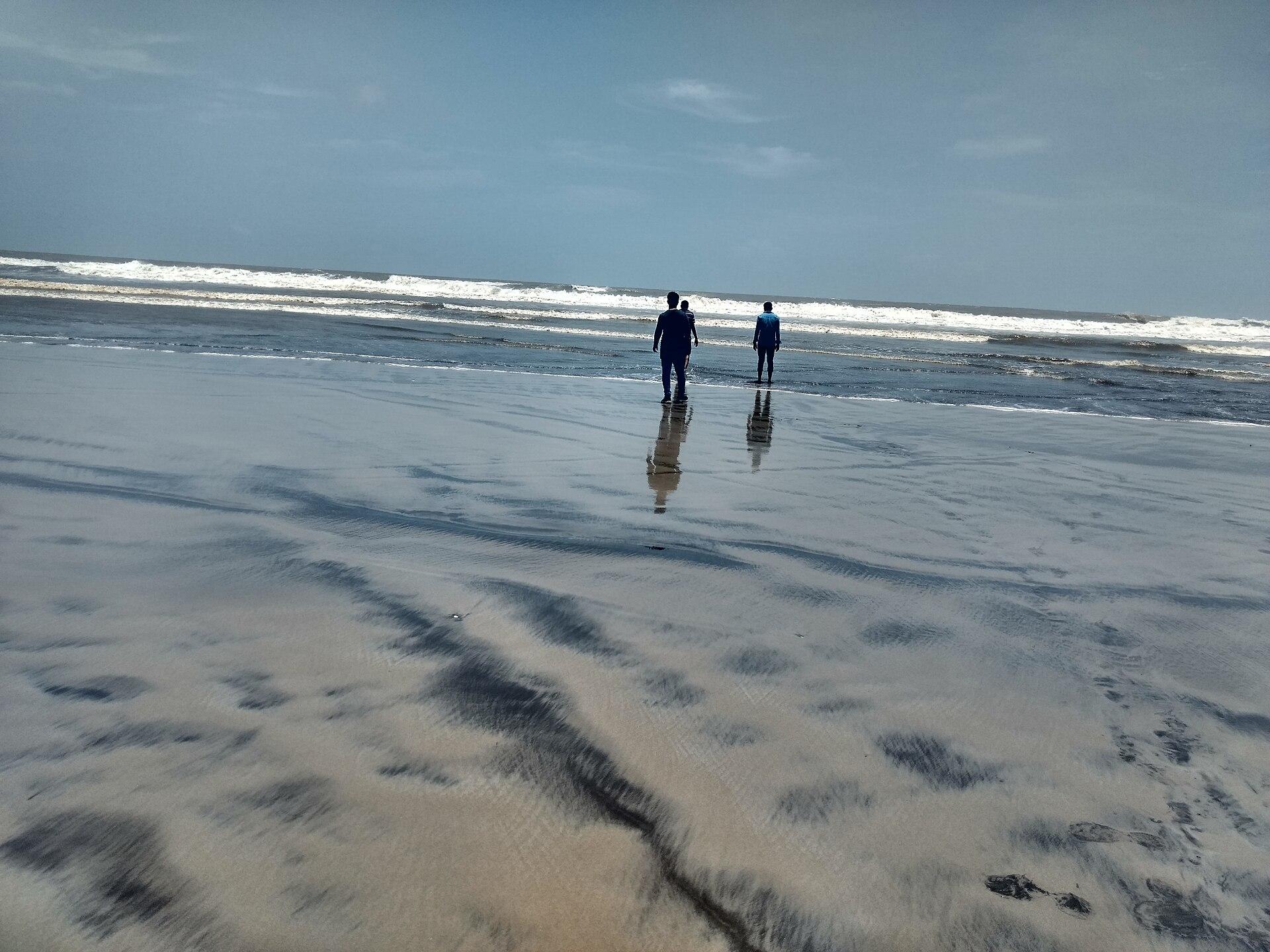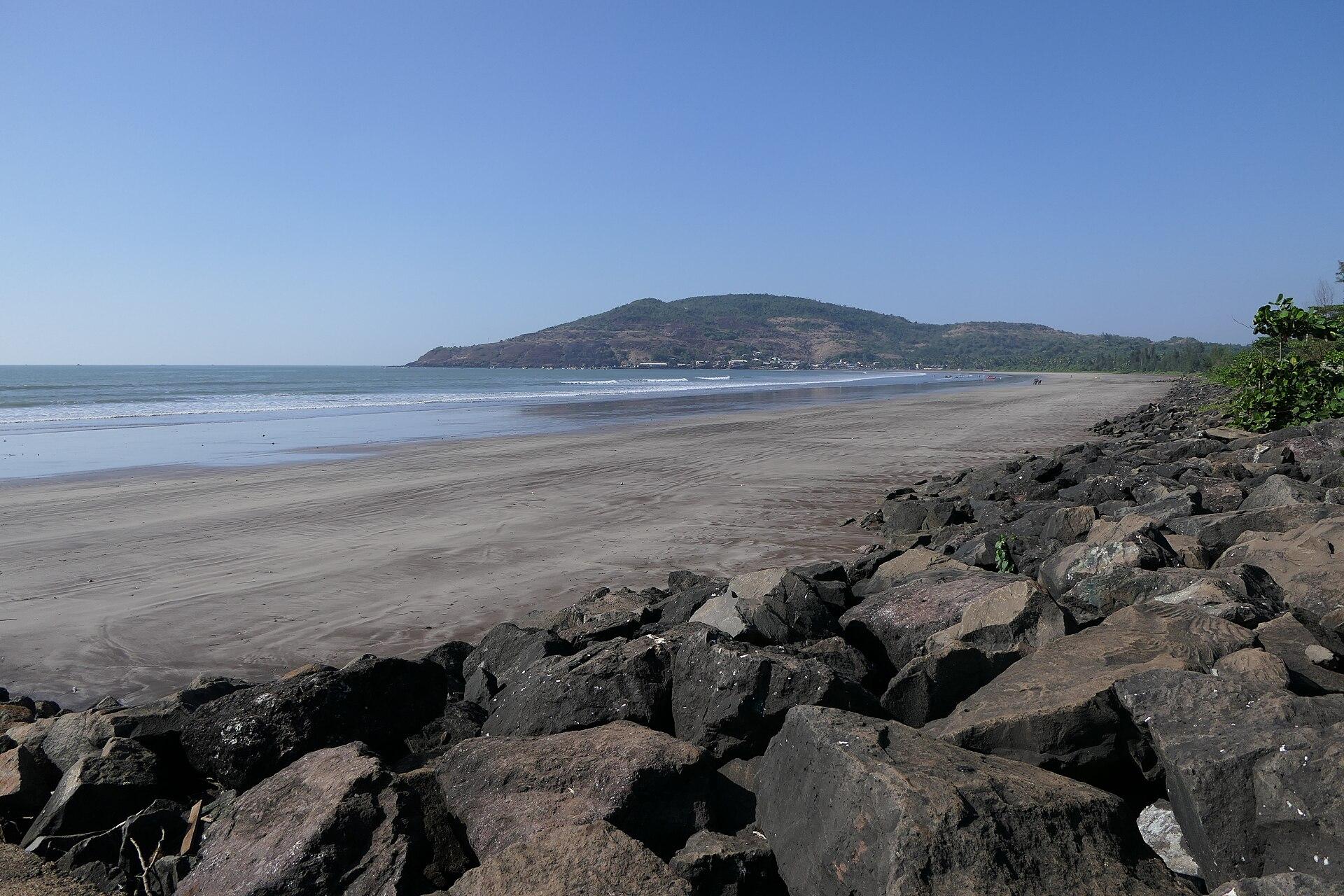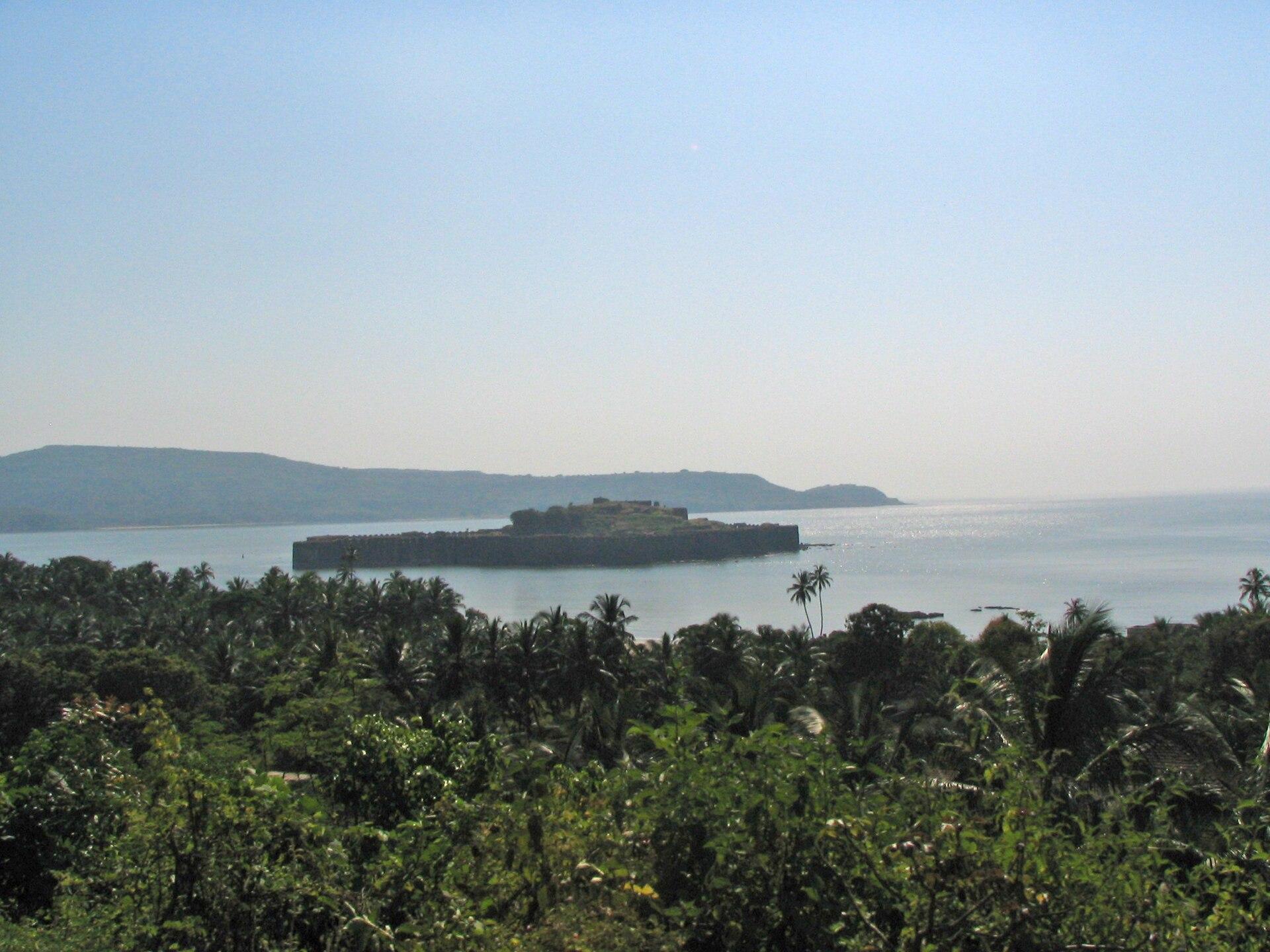
Diveagar is a village in Shrivardhan taluka of southern Raigad, where houses sit inside shaded wadis (gardens) of coconut and betel-nut palms that run almost down to the sand. Its long beach is generally quieter than those closer to Mumbai.
The village's Suvarna Ganesh temple became widely known after a gold Ganesh mask was found in a local garden in 1997. Many visitors combine Diveagar with nearby Shrivardhan and Harihareshwar.
Beaches and attractions
Beach
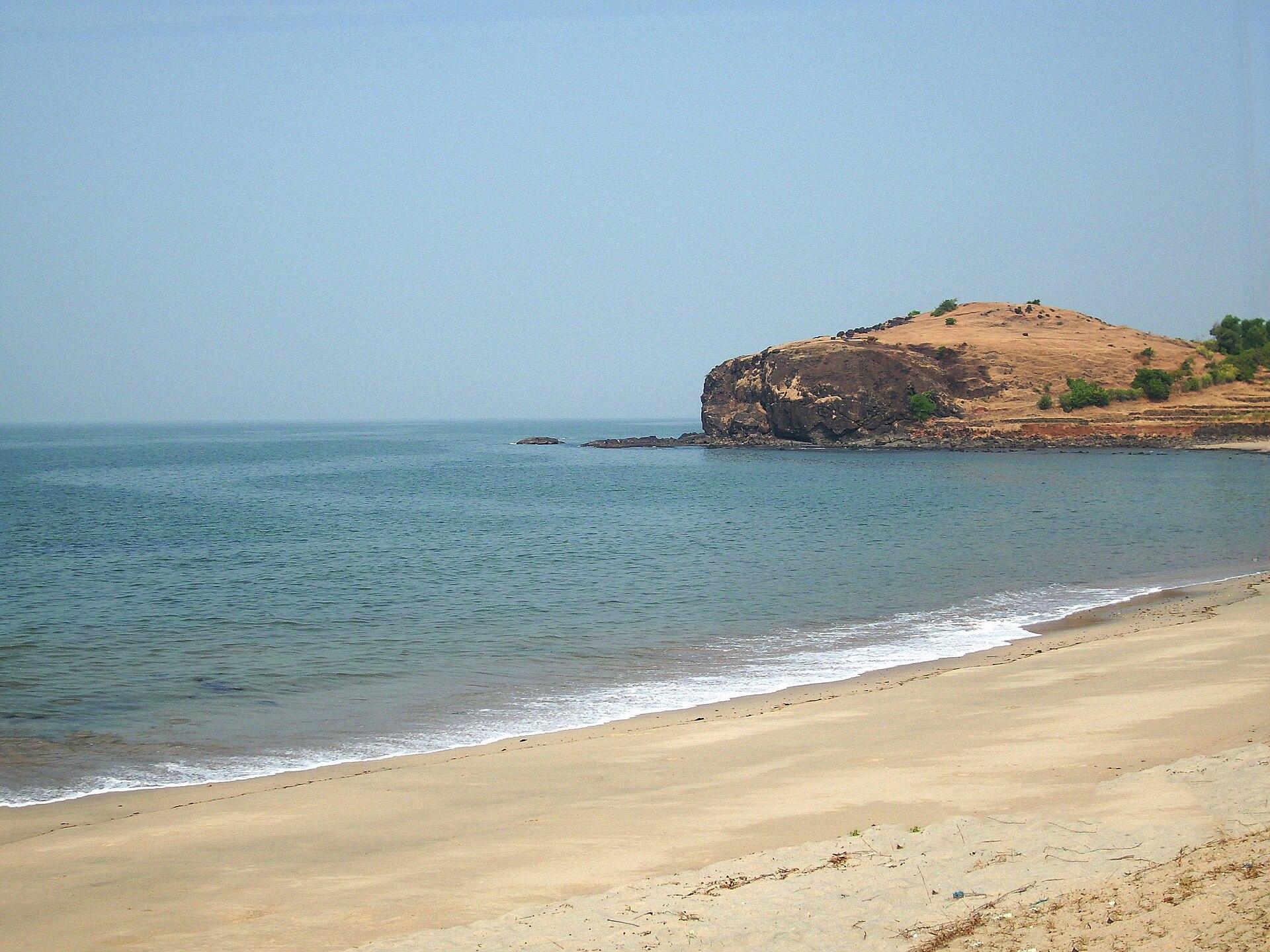
Diveagar Beach
A long, open beach with a rocky headland at one end.
Temple
Suvarna Ganesh Temple
The village temple associated with the gold Ganesh mask discovered in 1997.
Nature
Wadi lanes
Walk the lanes between coconut and betel-nut plantations. The plantations themselves are private, so keep to public paths.
Map and directions
Find Diveagar on Google Maps, get turn-by-turn directions from where you are, or check how far away it is.
Diveagar, Raigad district, Maharashtra.
Local food
- Ukadiche modak (steamed rice dumplings with coconut and jaggery), especially around Ganesh festival.
- Coconut-based fish curries and home-style Konkani thalis.
- Solkadhi with every seafood meal.
Things to do
- Slow beach days
- Garden-lane walks at dawn
- A temple circuit with Shrivardhan and Harihareshwar
When to go
- October to February
- Generally the most comfortable months for beaches and sightseeing, and the busiest, especially around Diwali, Christmas and New Year.
- March to May
- Hotter and more humid. Spring is also mango season across the Konkan, which draws its own visitors.
- June to September
- The monsoon brings heavy rain and green landscapes. The sea is rough: boat services and water activities are usually suspended, and you should stay out of the water.
Frequently asked questions
Is Diveagar good for families?
Its quieter beach and homestay-style accommodation suit many families. Check each property's rules on children and meals before booking.
Is it safe to swim in the sea here?
Sea conditions change with tides, wind and season. Follow lifeguard instructions and warning flags where they exist, avoid swimming after dark or after drinking, and do not enter the sea during the monsoon.